The Living Laboratory: How Real-World Problem Solving Cultivates Adaptive Minds
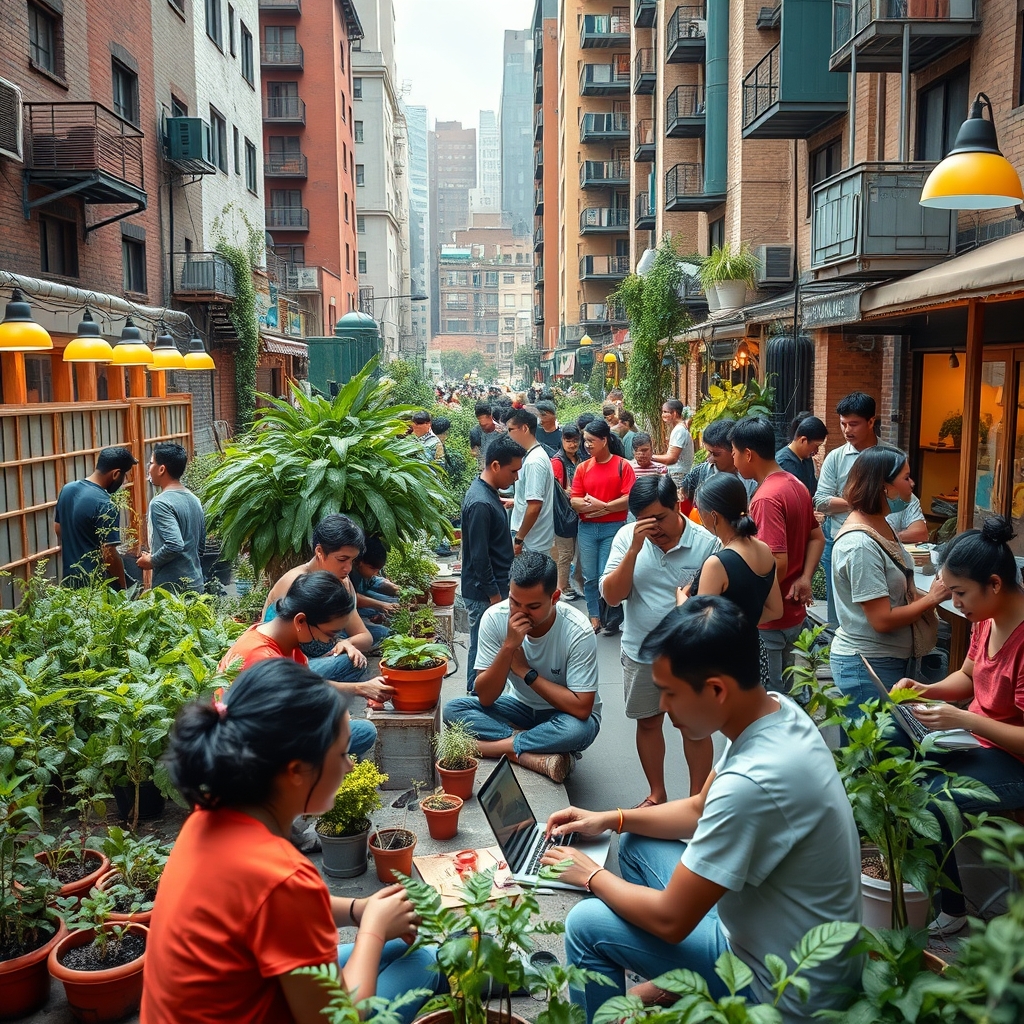
In the heart of the bustling city, amidst the towering skyscrapers and the hum of everyday life, there lies a hidden gem of learning. It’s not a traditional classroom, but a living laboratory where real-world problem solving is the currency of knowledge. This is the world of community-based learning, where learners are not passive recipients of information but active participants in their own education.
Immersive Practical Training: Learning by Doing
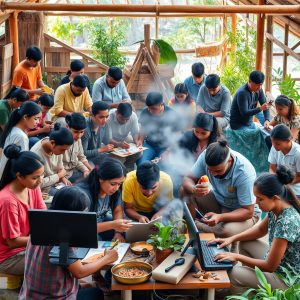
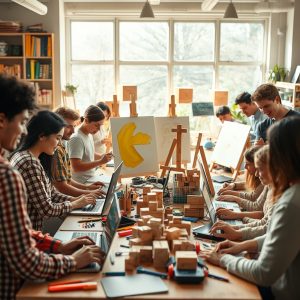
At the core of this living laboratory is immersive practical training. This approach to learning is rooted in the belief that knowledge is best acquired through experience. Instead of sitting in a lecture hall, learners are out in the field, applying what they’ve learned in real-world scenarios. This could be anything from urban gardening in a community plot to learning to code by building a website for a local business.
Community-Based Learning: The Power of Peer Learning
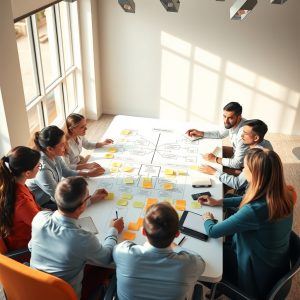
Community-based learning is another key component of this living laboratory. Learners are not isolated individuals but part of a larger community of learners. This community provides a support network, a space for peer learning, and a platform for sharing knowledge. It’s a place where learners can ask questions, share their experiences, and learn from each other.
Self-Directed Education Pathways: Charting Your Own Course
In this living laboratory, learners are not bound by the traditional educational pathway. Instead, they are encouraged to chart their own course, to follow their interests and passions. This is self-directed education at its best. Learners are encouraged to explore their interests, to set their own goals, and to pursue their own learning pathways.
Experiential Knowledge Building: Learning from Experience
Experiential knowledge building is another pillar of this living laboratory. Learners are encouraged to learn from their experiences, to reflect on what they’ve learned, and to apply that knowledge in new situations. This could be anything from reflecting on a successful community garden project to applying coding skills to a new project.
Digital Literacy Development: Navigating the Digital World
In this digital age, digital literacy is a crucial skill. Learners in this living laboratory are encouraged to develop their digital literacy skills, to navigate the digital world with confidence. This could be anything from learning to use social media platforms to understand the basics of coding.
Collaborative Interest Groups: Learning Together
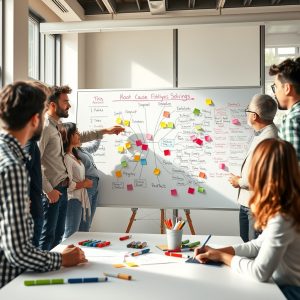
Collaborative interest groups are another key feature of this living laboratory. Learners are encouraged to come together around shared interests, to learn from each other, and to support each other’s learning journeys. This could be anything from a group of learners interested in urban gardening to a group of learners interested in coding.
This living laboratory is more than just a place to learn. It’s a place to grow, to develop, and to thrive. It’s a place where learners are not just acquiring knowledge, but also developing skills, building confidence, and fostering a sense of community. It’s a place where the boundaries between learning and life are blurred, and where the learning never stops. In this living laboratory, the real-world problem solving that takes place is not just a part of the learning process, but the learning process itself. It’s a place where learners are not just solving problems, but also learning to solve problems, to think critically, and to adapt to change. This is the power of community-based learning, immersive practical training, and self-directed education pathways. This is the living laboratory where real-world problem solving cultivates adaptive minds, and where learners are not just preparing for the future, but also shaping it.