The Alchemy of Everyday Learning: How Immersive Practical Training Shapes Mastery Beyond Books

In a world where traditional education often feels like a one-size-fits-all approach, the rise of immersive practical training and community-based learning is offering a more personalized and engaging alternative. This approach, often referred to as informal skill acquisition, is transforming the way we learn and master new abilities. It’s not just about acquiring knowledge; it’s about experiencing, experimenting, and excelling in real-world scenarios.
Immersive Practical Training: A Hands-On Approach
Immersive practical training is all about learning by doing. It’s about stepping out of the classroom and into the real world, where you can apply your knowledge and skills in a practical setting. This approach is not just about acquiring new skills; it’s about developing a deep understanding and mastery of those skills. It’s about becoming an expert, not just a student.
The Power of Experiential Knowledge Building
Experiential knowledge building is at the heart of immersive practical training. It’s about learning from your experiences, both positive and negative. It’s about reflecting on those experiences and using them to inform your future actions. This approach is not just about acquiring new skills; it’s about developing a growth mindset and a lifelong learning attitude.
Real-World Problem Solving: The Key to Mastery
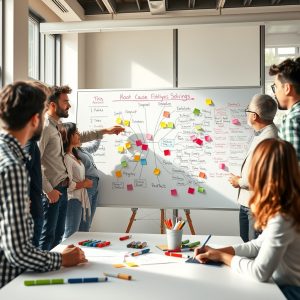
Real-world problem solving is another key aspect of immersive practical training. It’s about tackling challenges and finding solutions in a practical setting. This approach is not just about acquiring new skills; it’s about developing critical thinking, creativity, and problem-solving abilities. It’s about becoming a master problem solver, not just a student.
Community-Based Learning: The Power of Peers
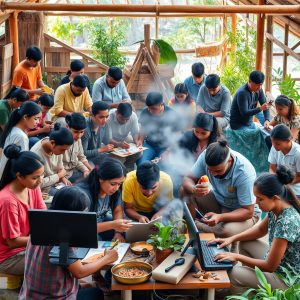
Community-based learning is another important aspect of informal skill acquisition. It’s about learning from and with your peers, in a supportive and collaborative environment. This approach is not just about acquiring new skills; it’s about developing social skills, building relationships, and creating a sense of belonging.
Collaborative Interest Groups: Learning Together
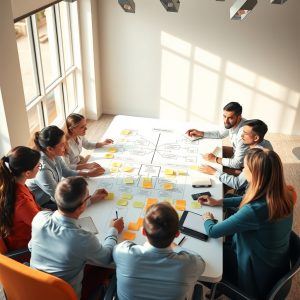
Collaborative interest groups are a great way to engage in community-based learning. These groups are formed around a shared interest or goal, and they provide a supportive and collaborative environment for learning. They can be anything from a book club to a hiking group, a coding club to a volunteer organization. The key is to find a group that aligns with your interests and goals, and to engage actively and meaningfully.
Peer-to-Peer Knowledge Sharing: The Power of the Crowd
Peer-to-peer knowledge sharing is another important aspect of community-based learning. It’s about learning from and with your peers, in a supportive and collaborative environment. This approach is not just about acquiring new skills; it’s about developing a sense of community, a shared purpose, and a collective identity. It’s about becoming part of a learning community, not just a student.
Self-Directed Education Pathways: Charting Your Own Course
Self-directed education pathways are another important aspect of informal skill acquisition. It’s about taking control of your own learning, and charting your own course. This approach is not just about acquiring new skills; it’s about developing a sense of autonomy, a growth mindset, and a lifelong learning attitude. It’s about becoming an independent learner, not just a student.
Exploratory Learning Journeys: The Joy of Discovery
Exploratory learning journeys are a great way to engage in self-directed education. They are about exploring new interests, new skills, and new experiences. They are about learning by doing, learning from your experiences, and learning from your mistakes. They are about becoming a lifelong learner, not just a student.
Autonomous Educational Exploration: The Power of Curiosity
Autonomous educational exploration is another important aspect of self-directed education. It’s about following your curiosity, your passions, and your interests. It’s about learning what you love, and learning how to love what you learn. It’s about becoming a curious learner, not just a student.
In a world where traditional education is often seen as a one-size-fits-all approach, the rise of informal skill acquisition, community-based learning, and self-directed education is offering a more personalized and engaging alternative. It’s about learning by doing, learning from your peers, and learning from your experiences. It’s about becoming a master, not just a student. It’s about shaping your own learning journey, not just following someone else’s. It’s about becoming a lifelong learner, not just a student. And it’s about becoming part of a learning community, not just a student. It’s about becoming an independent learner, not just a student. It’s about becoming a curious learner, not just a student. It’s about becoming a master problem solver, not just a student. It’s about becoming an expert, not just a student. It’s about becoming a lifelong learner, not just a student.