The Living Laboratory: Cultivating Mastery Through Experiential Knowledge Building and Community Service Learning
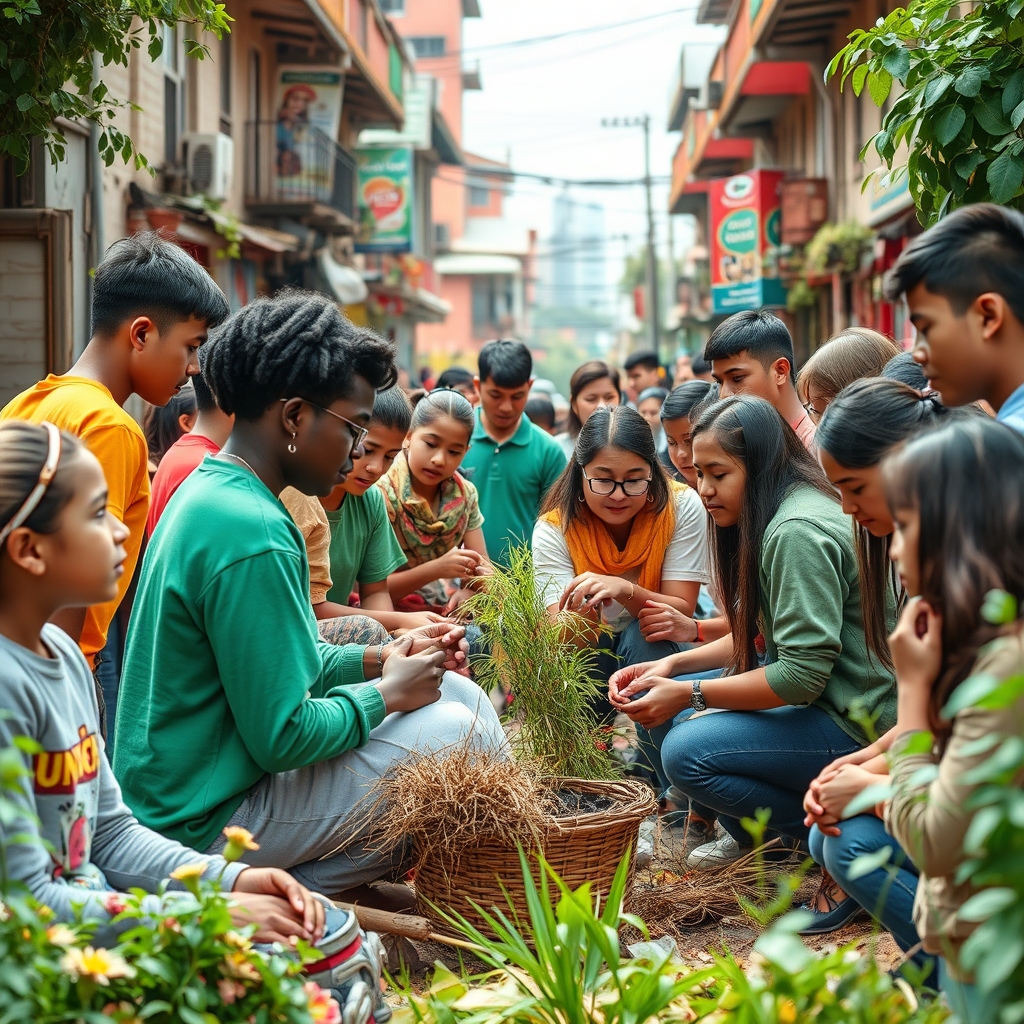
In the heart of every great achievement lies a journey of learning that transcends the boundaries of traditional education. This journey is not confined to the walls of a classroom but extends into the very fabric of our communities, where the magic of experiential knowledge building and community service learning intertwine to cultivate mastery.
Experiential Knowledge Building: The Heartbeat of Mastery
Experiential knowledge building is the process of learning through direct experience and reflection. It is the heartbeat that keeps the engine of mastery running. This approach to learning is rooted in the belief that knowledge is not merely acquired but constructed through personal experiences. It is about doing, not just thinking.
Immersive Practical Training: Learning by Doing
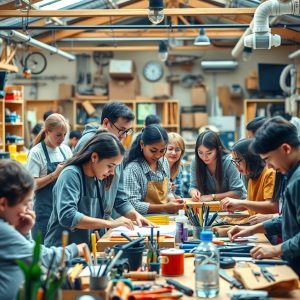
Immersive practical training is a powerful tool in the arsenal of experiential knowledge building. It is about placing learners in real-world scenarios where they can apply their knowledge and skills. This approach fosters a deep understanding of the subject matter and prepares learners for the challenges they will face in their future careers.
Real-World Problem Solving: The Art of Critical Thinking
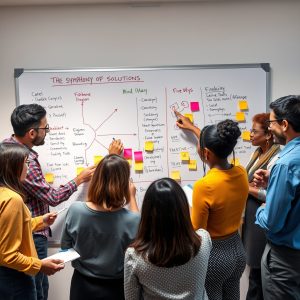
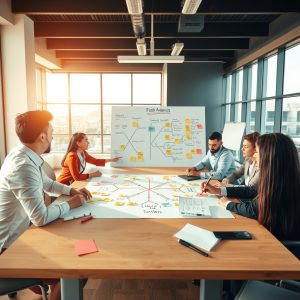
Real-world problem solving is another key component of experiential knowledge building. It is about equipping learners with the skills to identify, analyze, and solve complex problems. This approach fosters critical thinking, creativity, and innovation. It prepares learners to tackle the challenges of the 21st century and beyond.
Community Service Learning: The Soul of Mastery
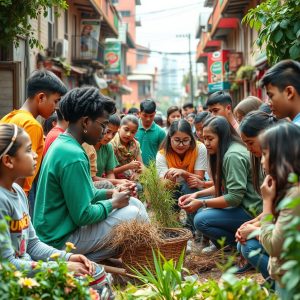
Community service learning is the soul that gives meaning to the journey of mastery. It is about learning through service to others. This approach fosters a sense of social responsibility and civic engagement. It prepares learners to be active participants in their communities and contributors to the betterment of society.
Collaborative Interest Groups: Learning Together
Collaborative interest groups are powerful tools in the realm of community service learning. They are groups of learners who come together to learn and grow together. This approach fosters a sense of camaraderie, mutual support, and shared purpose. It prepares learners to work effectively in teams and collaborate with others to achieve common goals.
Peer-to-Peer Knowledge Sharing: Learning from Peers
Peer-to-peer knowledge sharing is another key component of community service learning. It is about learning from and with peers. This approach fosters a sense of community, mutual respect, and shared learning. It prepares learners to be lifelong learners who continue to learn and grow throughout their lives.
In the symphony of mastery, experiential knowledge building and community service learning are the two instruments that play the most beautiful melody. Together, they create a harmonious blend of learning and service that prepares learners to be active participants in their communities and contributors to the betterment of society. This journey of mastery is not just about acquiring knowledge and skills but also about cultivating a sense of purpose, responsibility, and belonging. It is a journey that prepares learners to be the change they wish to see in the world.