The Living Classroom: Nurturing Mastery Through Immersive Practical Training and Community Learning
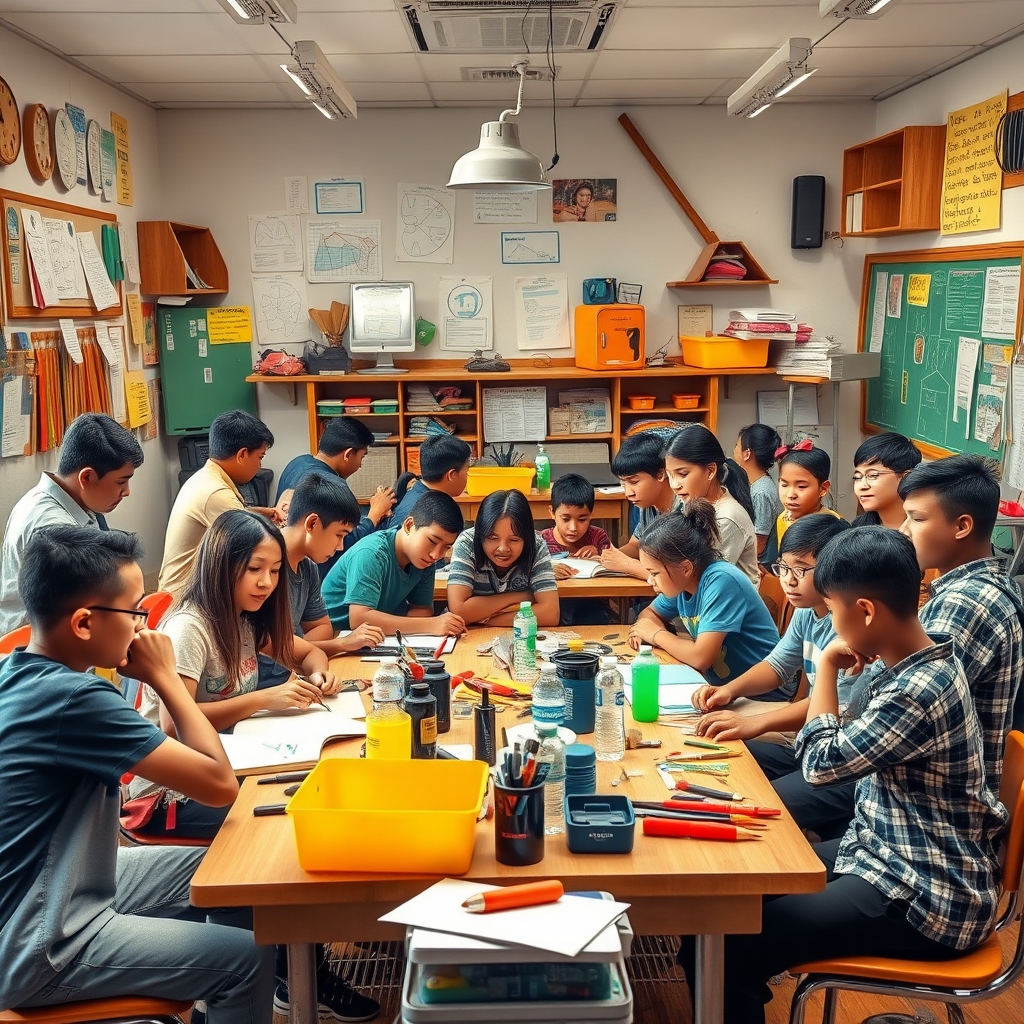
In the heart of every great master lies a journey of discovery, a tapestry woven from the threads of experience and the fabric of community. This is the essence of immersive practical training and community learning, a living classroom where mastery is not just taught but lived, where every lesson is a story, and every challenge a stepping stone.
Immersive Practical Training: Where Theory Meets Reality
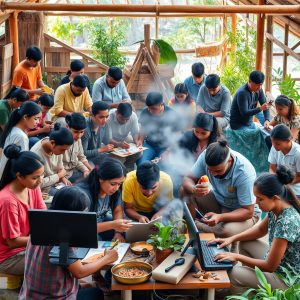
Immersive practical training is the alchemy that transforms theory into action, the bridge that connects the classroom to the real world. It is a method of learning that goes beyond the confines of textbooks, offering a hands-on, experiential approach to skill acquisition. In this living laboratory, learners are not passive recipients of knowledge but active participants in their own education, engaging with the world around them to solve real problems and build real solutions.
Experiential Knowledge Building
At the heart of immersive practical training lies experiential knowledge building. This approach to learning emphasizes the importance of doing, of engaging with the world in a meaningful way. It is a journey of discovery, where learners are encouraged to explore, to experiment, and to make mistakes. Each experience, each challenge, each triumph is a lesson in itself, shaping the learner’s understanding and deepening their mastery.
Real-World Problem Solving
Real-world problem solving is the compass that guides the learner through the immersive practical training journey. It is the driving force behind the experiential knowledge building process, the challenge that pushes the learner to think critically, to innovate, and to create. By engaging with real-world problems, learners are not just acquiring skills, they are developing the ability to think, to solve, and to create, skills that are invaluable in the modern world.
Community Learning: The Power of Shared Knowledge
Community learning is the living tapestry that weaves together the threads of individual experience, the fabric of shared knowledge. It is a method of learning that goes beyond the individual, recognizing the power of collective wisdom and the importance of peer-to-peer knowledge sharing. In this living classroom, learners are not isolated islands but interconnected nodes, each contributing to the collective knowledge and each benefiting from the collective wisdom.
Collaborative Interest Groups
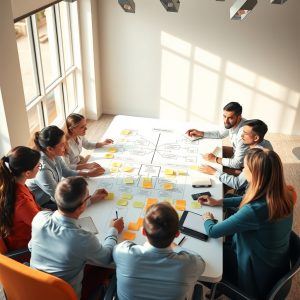
Collaborative interest groups are the heart of community learning, the living laboratories where shared knowledge is built and mastery is nurtured. These groups, formed around shared interests and passions, provide a safe space for learners to explore, to experiment, and to grow. They are the communities of practice, the places where learners can learn from each other, support each other, and grow together.
Peer-to-Peer Knowledge Sharing
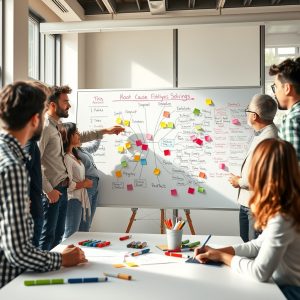
Peer-to-peer knowledge sharing is the lifeblood of collaborative interest groups, the living tapestry that weaves together the threads of individual experience. It is a method of learning that recognizes the power of the collective, the importance of shared knowledge, and the value of diverse perspectives. In this living classroom, learners are not just acquiring skills, they are developing the ability to learn, to share, and to grow, skills that are invaluable in the modern world.
The living classroom, a fusion of immersive practical training and community learning, is a powerful force for mastery. It is a living laboratory where learners are not just acquiring skills but developing the ability to think, to create, and to innovate. It is a living tapestry where the threads of individual experience are woven together to create a fabric of shared knowledge, a community of practice where learners can learn, share, and grow together. In this living classroom, mastery is not just a destination but a journey, a continuous process of discovery, learning, and growth.