The Unwritten Syllabus: How Autonomous Educational Exploration Redefines Mastery
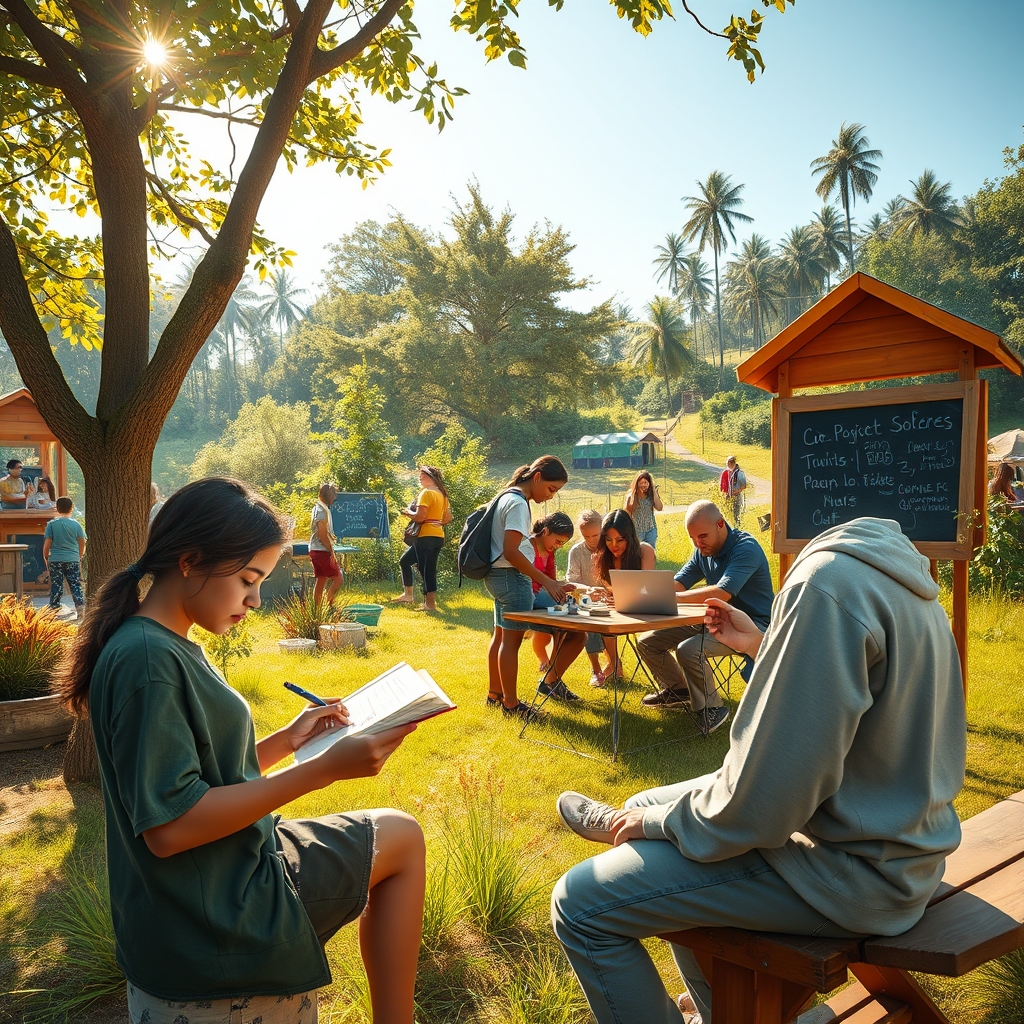
Imagine a world where the boundaries of learning are not confined by textbooks, rigid curricula, or standardized tests. A world where curiosity is the compass, and the pursuit of knowledge is as unique as the individual embarking on the journey. This is the essence of autonomous educational exploration—a dynamic, self-driven approach to learning that thrives outside traditional structures. It’s not about rejecting formal education but about embracing the freedom to chart your own path, where every experience becomes a lesson and every challenge a stepping stone to mastery.
The Power of Self-Directed Pathways
Autonomous educational exploration begins with a simple yet profound shift in mindset: the learner takes ownership of their journey. Unlike conventional education, where objectives are often dictated by institutions, self-directed learning allows individuals to identify their passions, set their own goals, and determine the pace of their progress. This approach is not a rejection of guidance but a celebration of agency. It’s about recognizing that the most meaningful learning often happens when we are deeply engaged with subjects that resonate with our interests and values.
Consider the story of Maya, a young woman who always felt stifled by the rigid structure of her high school curriculum. While her peers followed the prescribed path, Maya began exploring topics that fascinated her—urban gardening, sustainable architecture, and community organizing. She didn’t wait for permission; she sought out mentors, joined local workshops, and even started a small initiative to transform vacant lots into green spaces. What began as a hobby evolved into a passion project, and eventually, a career. Maya’s journey is a testament to how self-directed pathways can unlock potential that traditional education might overlook.
Experiential Knowledge: Learning by Living
At the heart of autonomous exploration lies experiential knowledge—the idea that true understanding is built through doing, not just studying. This concept is rooted in the belief that real-world experiences are the most powerful teachers. Whether it’s mastering a new language by immersing yourself in a foreign culture, developing digital literacy by building a website from scratch, or honing problem-solving skills by tackling community issues, experiential learning turns abstract concepts into tangible skills.
Take, for example, the rise of immersive practical training programs in fields like coding, culinary arts, and environmental science. These programs prioritize hands-on experience over theoretical instruction, allowing learners to apply what they’ve learned in real-time. A chef-in-training doesn’t just read about knife techniques; they practice them under the guidance of a mentor. A software developer doesn’t just memorize code; they build projects that solve actual problems. This approach not only accelerates skill acquisition but also fosters a deeper connection to the material, making learning more meaningful and enduring.
The Role of Community in Autonomous Learning
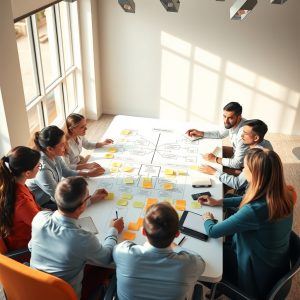
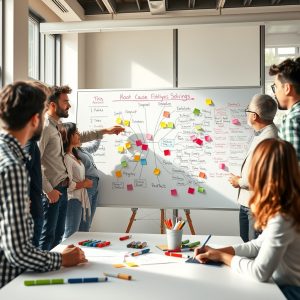
While autonomous exploration is inherently personal, it is rarely a solitary endeavor. Communities—whether local or digital—play a crucial role in supporting and enriching the learning process. Collaborative interest groups, for instance, bring together individuals with shared passions, creating spaces where knowledge is exchanged freely and ideas are refined through collective effort. These groups can take many forms: a book club that evolves into a writing workshop, a coding meetup that becomes a startup incubator, or a hiking group that transforms into a conservation initiative.
Peer-to-peer knowledge sharing is another cornerstone of autonomous learning. In these environments, hierarchies dissolve, and everyone becomes both a teacher and a student. A teenager might teach an older adult how to navigate social media, while the adult shares life skills like budgeting or conflict resolution. This reciprocal exchange not only democratizes learning but also fosters empathy, adaptability, and a sense of belonging. It’s a reminder that education is not a one-way street but a collaborative journey where everyone has something to offer.
Nature and Culture: The Unconventional Classrooms
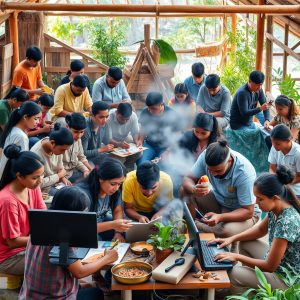
Autonomous educational exploration often extends beyond traditional settings, inviting learners to engage with the world in unconventional ways. Nature-based exploration, for example, offers a unique opportunity to develop resilience, creativity, and a deep appreciation for the environment. Whether it’s through wilderness survival courses, ecological research projects, or simply spending time outdoors, nature becomes a classroom where lessons are learned through observation, experimentation, and reflection.
Similarly, cultural heritage engagement provides a rich tapestry of learning opportunities. From participating in traditional crafts to exploring historical sites, these experiences connect learners to the past while inspiring innovation. A young musician might study folk instruments to create a modern fusion genre, or an artist might draw inspiration from indigenous art forms to develop a contemporary style. By immersing themselves in cultural contexts, learners gain a broader perspective and a deeper understanding of the world’s diversity.
The Future of Learning: Adaptive and Holistic
As the world becomes increasingly complex and interconnected, the demand for adaptive learning environments grows. Autonomous educational exploration is inherently flexible, allowing learners to pivot as their interests evolve or as new challenges arise. This adaptability is not just a survival skill but a superpower in a rapidly changing world. It encourages individuals to embrace uncertainty, experiment fearlessly, and view setbacks as opportunities for growth.
Moreover, this approach to learning is holistic, addressing not just intellectual development but also emotional, social, and physical well-being. Life skills mastery—such as communication, critical thinking, and emotional intelligence—becomes an integral part of the journey. Personalized mentorship programs further enhance this holistic growth by providing guidance tailored to the learner’s unique needs and aspirations. A mentor might help a young entrepreneur refine their business plan, or they might support a student in navigating the complexities of self-directed learning. These relationships are built on trust, mutual respect, and a shared commitment to growth.
In the end, autonomous educational exploration is about more than acquiring skills or knowledge. It’s about cultivating a mindset of lifelong learning, where curiosity is the driving force and the world is your classroom. It’s about recognizing that education is not a destination but a journey—one that is as unique as the individual embarking on it. Whether you’re learning to code, mastering a craft, or exploring the great outdoors, the key is to embrace the process, trust your instincts, and never stop asking questions. The unwritten syllabus of life is yours to fill, one experience at a time.