
The Synergy of Self-Discipline and Creative Thinking: A Blueprint for Unstoppable Growth
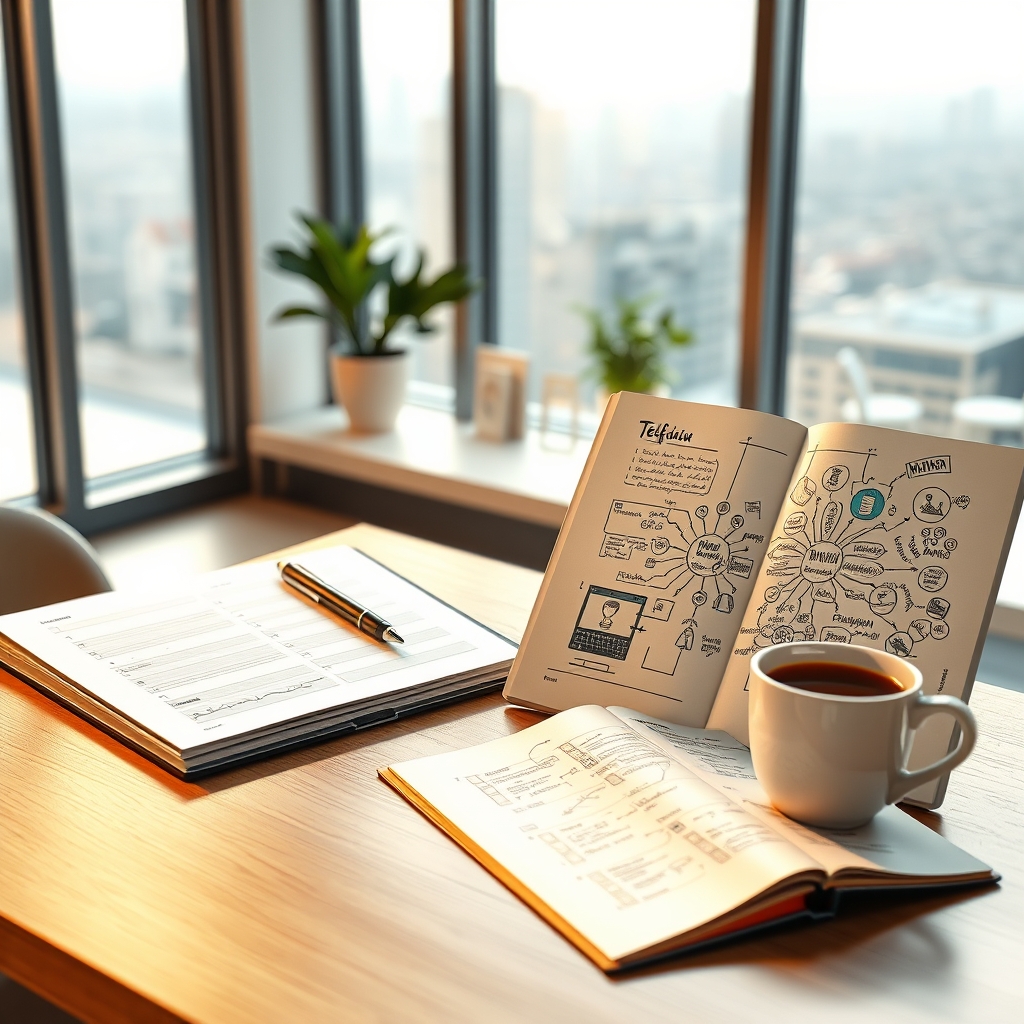
In a world that glorifies talent and innate ability, the quiet forces of self-discipline and creative thinking often go unnoticed. Yet, these two pillars form the bedrock of sustained success, enabling individuals to transcend limitations and redefine what’s possible. While talent may open doors, it is the fusion of disciplined habits and innovative problem-solving that keeps those doors from slamming shut. Together, they create a dynamic synergy—one that turns aspirations into achievements and challenges into opportunities.
The Discipline Paradox: Why Consistency Outshines Motivation
Motivation is fleeting; it’s the spark that ignites action but rarely sustains it. Self-discipline, on the other hand, is the steady flame that burns long after the initial excitement fades. It’s the ability to show up, day after day, regardless of how you feel. This consistency is what separates those who dream from those who do. Research in behavioral psychology suggests that habits, not willpower, are the true drivers of long-term success. When you cultivate self-discipline, you’re not just building a routine—you’re rewiring your brain to prioritize progress over perfection.
Consider the story of J.K. Rowling, who wrote much of the first Harry Potter book in cafés while struggling as a single mother. It wasn’t inspiration that carried her through—it was the discipline to write even when the words felt inadequate. Similarly, elite athletes don’t rely on motivation to train; they rely on systems. They understand that discipline isn’t about punishment; it’s about creating an environment where excellence becomes inevitable.
Practical Steps to Strengthen Self-Discipline
Building self-discipline doesn’t require Herculean effort—just intentional, incremental changes. Start by identifying one area of your life where inconsistency holds you back. Is it procrastination on important projects? A lack of follow-through on personal goals? Once you’ve pinpointed the challenge, break it down into micro-habits. For example, if you struggle to write consistently, commit to just 10 minutes a day. The key is to lower the barrier to entry so that starting feels effortless. Over time, these small actions compound into transformative results.
Another powerful strategy is to design your environment for success. If you want to read more, place a book on your pillow each morning. If you aim to exercise regularly, lay out your workout clothes the night before. These subtle cues reduce the mental friction required to take action. Remember, discipline isn’t about white-knuckling your way through resistance; it’s about making the right choices the easiest ones.
The Creative Edge: How Innovative Thinking Fuels Growth
While self-discipline provides the structure, creative thinking injects the vitality. It’s the ability to see connections where others see dead ends, to reframe problems as possibilities, and to approach challenges with curiosity rather than fear. Creative thinking isn’t reserved for artists or inventors—it’s a skill that can be honed by anyone willing to step outside conventional boundaries. In fact, studies show that individuals who engage in creative exercises demonstrate higher levels of adaptability, resilience, and problem-solving prowess.
Take the example of a marketing team stuck in a rut. Instead of defaulting to the same strategies, they might employ lateral thinking techniques—like brainstorming absurd or impossible solutions—to spark fresh ideas. One of those “ridiculous” ideas could evolve into an innovative campaign that sets them apart. Creative thinking thrives in environments where failure isn’t feared but embraced as a stepping stone to discovery.
Exercises to Unlock Your Creative Potential
Creativity isn’t a mystical gift; it’s a muscle that strengthens with use. One effective exercise is the “5 Whys” technique, originally developed by Toyota to uncover the root cause of problems. When faced with a challenge, ask “why” five times to peel back the layers and reveal unexpected insights. For instance, if a project is falling behind, the first “why” might reveal a lack of resources, but the fifth “why” could uncover a deeper issue, like unclear communication.
Another powerful tool is constraint-based thinking. By imposing artificial limits—such as solving a problem with only three resources or completing a task in half the usual time—you force your brain to explore unconventional pathways. This approach mirrors the constraints faced by startups or artists working with limited budgets, where necessity becomes the mother of invention. Additionally, exposing yourself to diverse experiences, whether through travel, reading, or conversations with people outside your field, can provide the raw material for creative breakthroughs.
Where Discipline Meets Creativity: The Sweet Spot of Mastery
The magic happens when self-discipline and creative thinking intersect. Discipline provides the framework to turn creative ideas into tangible outcomes, while creativity infuses discipline with purpose and excitement. Think of it like a garden: discipline is the soil, water, and sunlight that nurture growth, while creativity is the unique combination of plants, colors, and designs that make it flourish. Without discipline, creativity remains a fleeting spark; without creativity, discipline becomes a rigid, joyless routine.
This synergy is evident in the careers of visionaries like Steve Jobs, who combined relentless discipline with a fearless approach to innovation. He didn’t just build products; he reimagined entire industries by asking, “What if?” Similarly, athletes like Serena Williams pair rigorous training with creative strategies to outmaneuver opponents. The lesson is clear: mastery isn’t about choosing between discipline and creativity—it’s about leveraging both to create something greater than the sum of their parts.
To harness this synergy in your own life, start by identifying one goal where you’ve relied too heavily on either discipline or creativity. If you’ve been all structure and no spontaneity, introduce a creative exercise into your routine—like journaling with prompts or brainstorming wild ideas. If you’ve been all ideas and no follow-through, implement a simple system to track progress, such as a daily checklist or accountability partner. The goal isn’t to overhaul your approach overnight but to create a balance where each element enhances the other.
Ultimately, the journey to unstoppable growth isn’t about waiting for inspiration or relying on sheer willpower. It’s about cultivating the habits that make progress inevitable and the mindset that turns obstacles into opportunities. When you marry the steadfastness of self-discipline with the boundless potential of creative thinking, you don’t just achieve success—you redefine it. And in a world that’s constantly changing, that’s the most powerful edge you can have.