The Pulse of Learning: How Interactive Workshops Breathe Life into Skill Mastery
In a world where information is abundant but engagement is fleeting, the art of learning has evolved beyond passive absorption. The most transformative educational experiences are no longer confined to textbooks or lecture halls—they thrive in the dynamic spaces where hands meet tools, voices intertwine in discussion, and curiosity is met with immediate, tangible feedback. Interactive workshops, with their emphasis on participation, experimentation, and real-time collaboration, have emerged as a cornerstone of modern skill acquisition. They are the heartbeat of a learning revolution that prioritizes doing over memorizing, connection over isolation, and growth over stagnation.
The Workshop as a Living Ecosystem
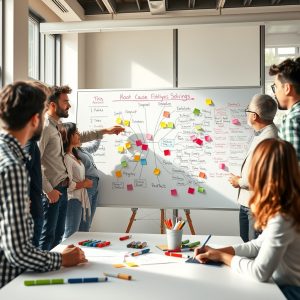
Unlike traditional classrooms, where knowledge flows in one direction from instructor to student, interactive workshops operate as living ecosystems. Here, every participant is both a learner and a contributor, shaping the experience through their questions, insights, and unique perspectives. The format dismantles the hierarchy of education, replacing it with a circular flow of ideas where mentors and novices alike draw from a shared pool of curiosity. This egalitarian structure not only democratizes learning but also mirrors the collaborative nature of real-world problem-solving, where solutions rarely emerge from a single mind.
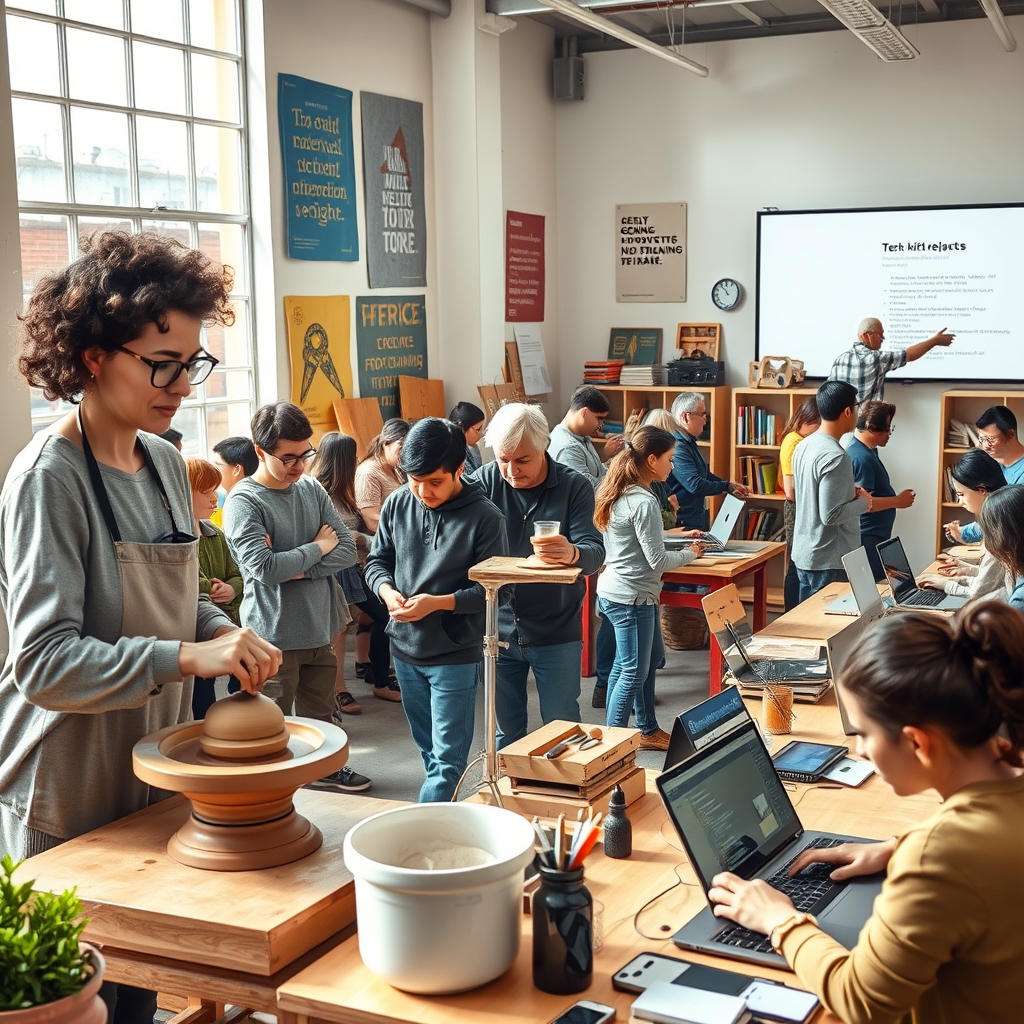
Consider the rise of maker spaces, coding bootcamps, or even community-led art studios. These environments thrive on the principle that mastery is not a solitary pursuit but a collective endeavor. A woodworker might teach a group how to carve a spoon, only to learn a new finishing technique from a participant who once studied under a master in Japan. A software developer might lead a session on building mobile apps, only to have their own approach challenged by a teenager who reverse-engineered a game at home. The workshop becomes a microcosm of the broader world, where skills are not static but evolve through exchange.
The Alchemy of Immediate Feedback
One of the most potent aspects of interactive workshops is the immediacy of feedback. In a traditional learning setting, a student might submit an assignment and wait days—or even weeks—for a grade or comment. By then, the context of their effort has faded, and the opportunity for real-time adjustment is lost. Workshops, however, collapse this delay. A potter molds clay and receives instant guidance on pressure and form; a writer shares a draft and hears reactions from peers in the moment; a coder debugs a program with the help of a mentor standing beside them. This rapid cycle of action and response accelerates learning exponentially, turning abstract concepts into embodied knowledge.
This immediacy also fosters a culture of experimentation. When mistakes are not penalized but treated as stepping stones, participants feel emboldened to take risks. A musician might attempt an unconventional chord progression in a jam session, or a chef might blend unexpected ingredients in a cooking workshop. The absence of rigid evaluation creates a safe space for innovation, where failure is not a setback but a necessary part of the process. Over time, this mindset cultivates resilience, adaptability, and a deep trust in one’s ability to learn through doing.
The Social Fabric of Skill Building
At their core, interactive workshops are social experiences. They tap into the fundamental human need for connection, turning skill acquisition into a shared journey rather than a solitary grind. The bonds formed in these spaces often extend beyond the workshop itself, evolving into collaborative interest groups, mentorship relationships, or even lifelong friendships. A group of urban gardeners might start as strangers in a composting workshop, only to later launch a community farm together. A book club born from a creative writing workshop might morph into a publishing collective. These connections not only enrich the learning process but also create a support system that sustains motivation long after the workshop ends.
Moreover, workshops often attract diverse participants, bringing together people from different backgrounds, ages, and walks of life. This diversity is a powerful catalyst for learning, as it exposes individuals to perspectives they might never encounter in homogenous environments. A retiree learning digital illustration alongside a college student might discover new ways to approach composition, while a corporate professional taking a pottery class with a stay-at-home parent might gain insights into patience and presence. The cross-pollination of ideas and experiences transforms workshops into melting pots of creativity and growth.
From Workshop to Lifelong Practice
The true measure of an interactive workshop’s success lies not in what participants achieve during the session, but in how it shapes their relationship with learning moving forward. The most impactful workshops plant seeds that continue to grow long after the last tool is put away or the final slide is presented. They instill a mindset that views skill acquisition as an ongoing, joyful pursuit rather than a finite goal. A single weekend workshop on beekeeping might ignite a passion that leads someone to start an apiary, join a local agricultural cooperative, or even advocate for pollinator conservation in their community. The skills learned become a gateway to deeper engagement with the world.
This ripple effect is particularly powerful in the context of digital literacy development. In an era where technology evolves at a breakneck pace, workshops that teach coding, digital storytelling, or online privacy are not just about imparting technical skills—they are about empowering individuals to navigate an increasingly complex digital landscape with confidence. A workshop on building a personal website might inspire someone to launch a small business, while a session on data visualization could equip a community organizer with the tools to advocate for change. The skills become a means of self-expression, economic opportunity, and civic participation.
Designing Workshops That Resonate
Not all workshops are created equal. The most effective ones are thoughtfully designed to balance structure with spontaneity, guidance with autonomy, and individual exploration with collective collaboration. They begin with a clear objective but leave room for detours, recognizing that some of the most valuable learning moments emerge from unplanned conversations or unexpected challenges. A well-designed workshop might start with a brief demonstration, followed by hands-on practice, group discussions, and reflective exercises that encourage participants to articulate their insights and questions.
Facilitators play a crucial role in shaping the workshop’s energy. The best facilitators are not just experts in their field but skilled guides who know how to create an inclusive, engaging atmosphere. They ask open-ended questions, encourage quieter participants to share their thoughts, and model vulnerability by acknowledging their own learning process. They also recognize that workshops are not one-size-fits-all and adapt their approach to accommodate different learning styles, whether through visual aids, kinesthetic activities, or auditory explanations.
Technology, too, has expanded the possibilities for interactive workshops. Virtual platforms now enable global participation, allowing someone in Tokyo to join a woodworking workshop in Berlin or a poet in Lagos to collaborate with writers in Buenos Aires. Hybrid workshops blend in-person and online elements, creating opportunities for those who might not otherwise have access. Yet, even as technology evolves, the core principles of interactive learning remain the same: engagement, collaboration, and the transformative power of doing.
The beauty of interactive workshops lies in their ability to make learning feel alive. They remind us that education is not a destination but a journey—one that is richer, more meaningful, and more enduring when shared with others. Whether in a bustling city makerspace, a quiet rural library, or a virtual classroom spanning continents, these spaces invite us to roll up our sleeves, dive in, and discover what we are capable of when we learn not just with our minds, but with our hands, our hearts, and our communities. The skills we gain are not just tools for personal advancement but bridges to deeper connections, greater self-awareness, and a more engaged, empowered life.