The Living Classroom: Nurturing Mastery Through Immersive Practical Training and Community Learning
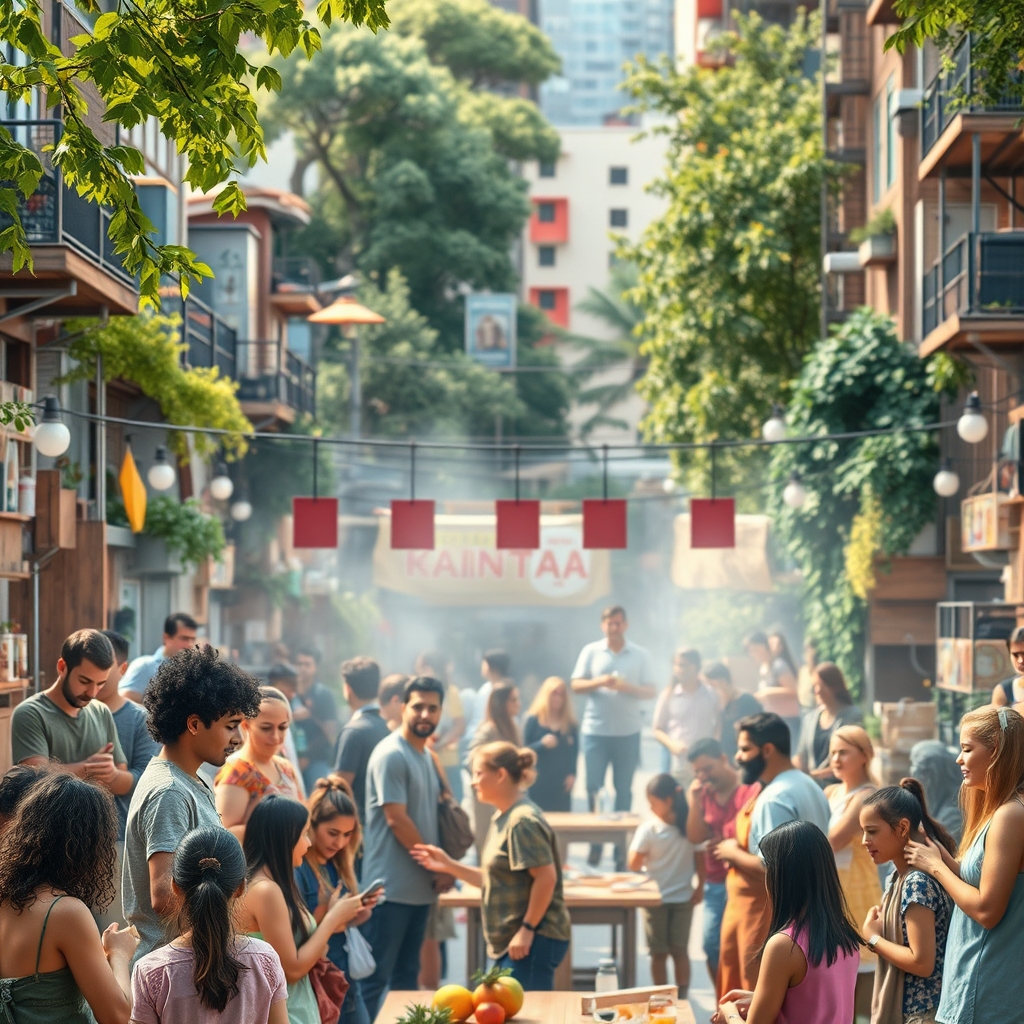
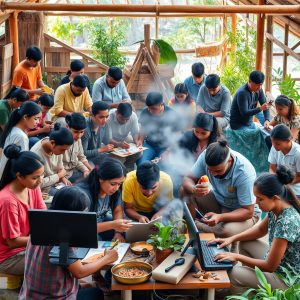
In the heart of a bustling urban community, a unique educational phenomenon is taking root and flourishing. The Living Classroom is not just a place of learning; it’s a vibrant ecosystem where knowledge is nurtured, skills are honed, and individuals grow holistically. This innovative approach to education combines the power of immersive practical training with the strength of community learning, creating an environment where mastery is not just taught but experienced.
Immersive Practical Training: Learning by Doing
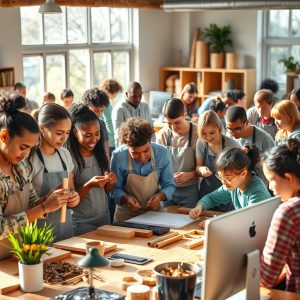
At the core of The Living Classroom is immersive practical training. This approach emphasizes learning by doing, where individuals engage in hands-on activities and real-world problem-solving. From carpentry workshops to culinary classes, participants are encouraged to roll up their sleeves and dive into the learning process. This method of instruction is not merely about acquiring knowledge; it’s about developing skills and building confidence through direct experience.
Real-World Problem Solving
One of the key benefits of immersive practical training is the opportunity to tackle real-world problems. Participants are presented with challenges that mirror those they might encounter in their daily lives. Whether it’s designing a sustainable garden or developing a digital literacy program, these projects provide a tangible context for learning. By solving these problems, individuals not only gain practical skills but also develop critical thinking and problem-solving abilities.
Experiential Knowledge Building
Experiential knowledge building is another cornerstone of The Living Classroom. This approach to learning is based on the idea that knowledge is most effectively acquired through direct experience. Participants are encouraged to explore, experiment, and reflect on their experiences. This process of learning by doing fosters a deep understanding of the subject matter and helps individuals to develop a more holistic view of the world.
Community Learning: The Power of Collaboration
The strength of The Living Classroom lies in its community. This is not a solitary journey; it’s a collective one. Participants come together to share their experiences, support one another, and learn from each other. This collaborative environment fosters a sense of belonging and encourages individuals to take ownership of their learning journey.
Collaborative Interest Groups
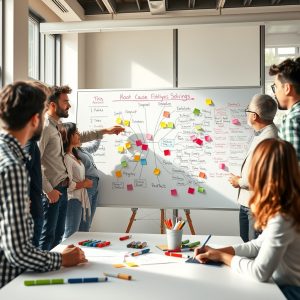
Collaborative interest groups are a key feature of The Living Classroom. These groups bring together individuals with shared interests, providing a platform for them to learn, grow, and contribute to the community. Whether it’s a group focused on digital literacy, nature exploration, or cultural heritage, these interest groups offer a space for like-minded individuals to come together and learn from one another.
Peer-to-Peer Knowledge Sharing
Peer-to-peer knowledge sharing is a powerful tool for learning and growth. In The Living Classroom, participants are encouraged to share their knowledge and expertise with one another. This not only helps to deepen their own understanding of the subject matter but also fosters a sense of community and mutual respect. By learning from and with one another, individuals can accelerate their own learning journey and contribute to the collective growth of the community.
Holistic Personal Growth
The Living Classroom is not just about acquiring skills; it’s about nurturing holistic personal growth. This approach to education recognizes that learning is a multifaceted process that involves not only cognitive development but also emotional, social, and physical growth. By providing a supportive and engaging environment, The Living Classroom helps individuals to develop into well-rounded, confident, and capable individuals.
Personalized Mentorship Programs
Personalized mentorship programs are a key component of The Living Classroom. These programs provide individuals with the guidance and support they need to navigate their learning journey. Mentors offer personalized advice, encouragement, and feedback, helping participants to set goals, overcome challenges, and achieve their full potential. By providing a supportive and nurturing environment, these mentorship programs help individuals to develop into confident, capable, and resilient learners.
Nature-Based Exploration
Nature-based exploration is another unique feature of The Living Classroom. This approach to learning encourages individuals to connect with the natural world and learn from it. Whether it’s through gardening, hiking, or wildlife observation, participants are encouraged to explore the beauty and complexity of the natural environment. This not only provides a break from the demands of daily life but also fosters a deeper appreciation for the world around us.
In conclusion, The Living Classroom offers a unique and transformative approach to education. By combining the power of immersive practical training with the strength of community learning, this innovative model helps individuals to acquire skills, build knowledge, and nurture holistic personal growth. As we continue to navigate the complexities of the 21st century, The Living Classroom serves as a beacon of hope, a testament to the power of learning, and a testament to the potential of the human spirit.