The Living Classroom: Nurturing Mastery Through Immersive Practical Training and Community Learning
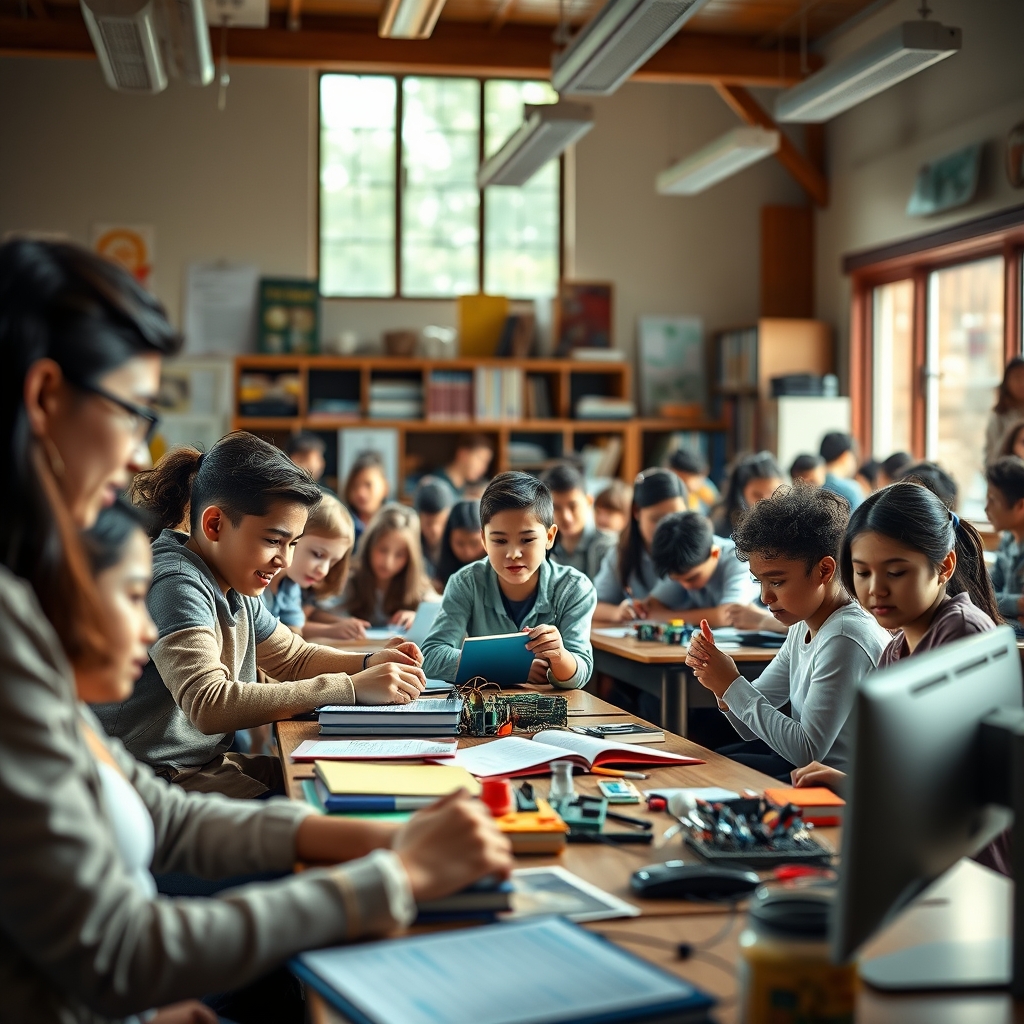
In the heart of every great achievement lies a unique learning journey. It’s not just about acquiring knowledge from textbooks or lectures; it’s about the experiences that shape us, the communities that support us, and the hands-on training that brings theory to life. This is the essence of immersive practical training and community learning, a powerful combination that fosters mastery in ways traditional education often cannot.
Immersive Practical Training: Learning by Doing
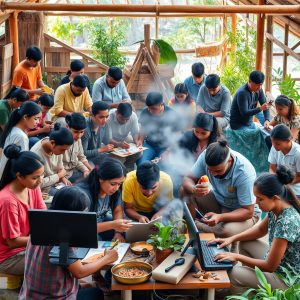
Immersive practical training is about stepping out of the classroom and into the real world. It’s about learning by doing, where theory is applied in practical situations. This approach is not just about gaining skills; it’s about developing a mindset that thrives on problem-solving and adaptability.
Real-World Problem Solving
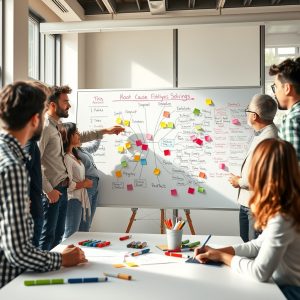
One of the most significant advantages of immersive practical training is the opportunity to tackle real-world problems. These problems are complex, multifaceted, and often require collaboration and creativity to solve. By engaging with these challenges, learners develop critical thinking skills and gain a deeper understanding of the subject matter.
Experiential Knowledge Building
Experiential knowledge building is another key aspect of immersive practical training. It’s about learning from direct experiences, reflecting on those experiences, and applying what has been learned to new situations. This approach fosters a deeper understanding and retention of knowledge, as it is grounded in personal experience.
Community Learning: The Power of Peer-to-Peer Knowledge Sharing
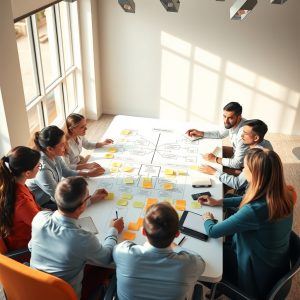
Community learning is about learning together. It’s about the power of peer-to-peer knowledge sharing, where individuals learn from each other’s experiences and expertise. This approach fosters a sense of belonging and support, which are crucial for personal growth and development.
Collaborative Interest Groups
Collaborative interest groups are a powerful tool for community learning. These groups are formed around shared interests or goals, and provide a space for individuals to learn from each other, share resources, and support one another. They foster a sense of community and belonging, and can provide valuable opportunities for learning and growth.
Peer-to-Peer Knowledge Sharing
Peer-to-peer knowledge sharing is a cornerstone of community learning. It’s about learning from and with others, where individuals share their knowledge, experiences, and expertise. This approach fosters a sense of community and support, and can provide valuable opportunities for learning and growth.
Holistic Personal Growth: The Intersection of Immersive Practical Training and Community Learning
The intersection of immersive practical training and community learning is a powerful force for holistic personal growth. Together, they provide a comprehensive approach to learning that fosters mastery in all areas of life. By combining the benefits of hands-on learning with the power of community, individuals can develop the skills, knowledge, and mindset needed to thrive in the real world.
Adaptive Learning Environments
Adaptive learning environments are a key aspect of the intersection of immersive practical training and community learning. These environments are designed to meet the unique needs of each learner, and provide opportunities for personalized learning and growth. They foster a sense of ownership and responsibility for one’s learning, and can provide valuable opportunities for mastery.
Personalized Mentorship Programs
Personalized mentorship programs are another key aspect of the intersection of immersive practical training and community learning. These programs provide one-on-one support and guidance from experienced mentors, who can help individuals navigate their learning journey and achieve their goals. They foster a sense of support and encouragement, and can provide valuable opportunities for learning and growth.
In the end, the journey of mastery is not a solo one. It’s a collective journey, shaped by the experiences we have, the communities we belong to, and the hands-on training that brings our learning to life. It’s about stepping out of the classroom, into the real world, and learning by doing. It’s about learning together, from and with each other, and fostering a sense of community and belonging. It’s about the intersection of immersive practical training and community learning, a powerful combination that fosters mastery in ways traditional education often cannot.