
AI-Powered Strategies for Enhancing Language Proficiency and Cultural Adaptation in Study Abroad Programs
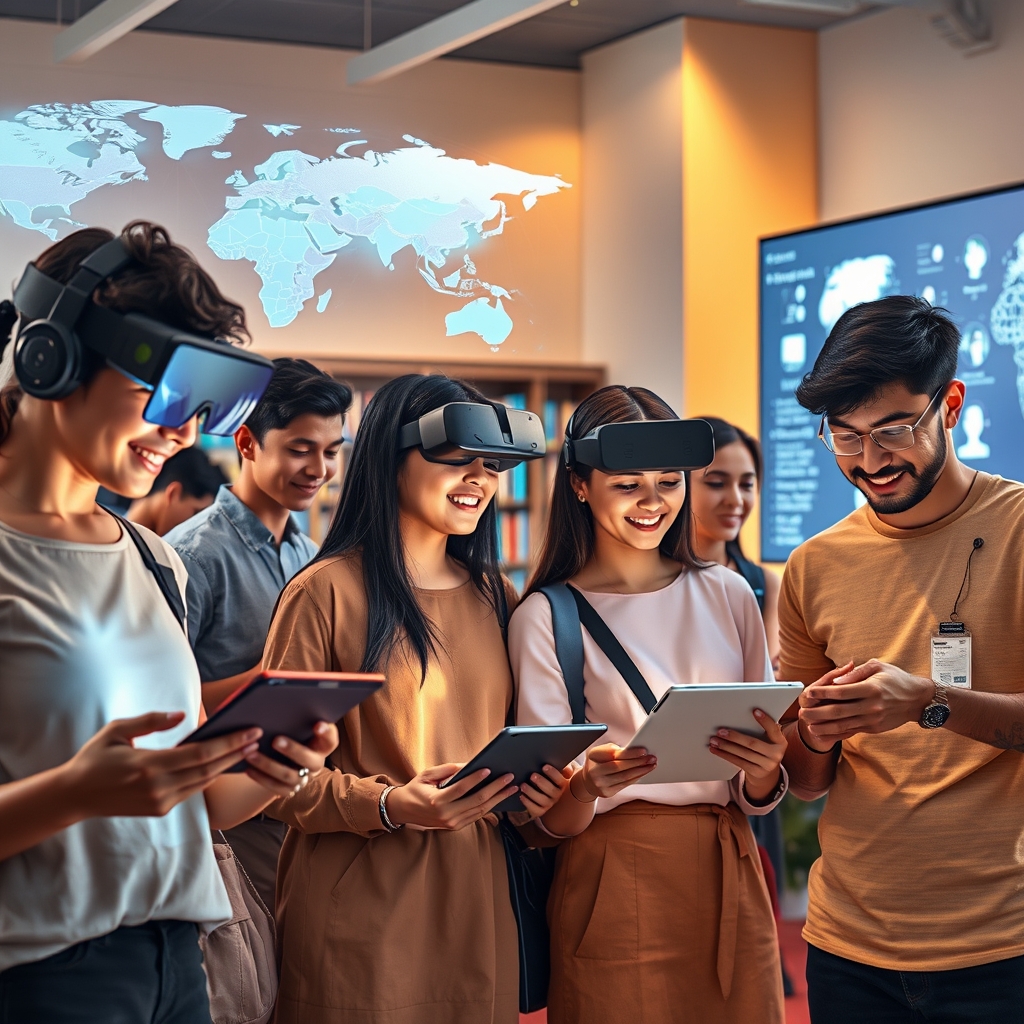
Studying abroad is a transformative experience that offers students unparalleled opportunities for academic growth, personal development, and cultural immersion. However, the journey is not without its challenges, particularly when it comes to overcoming language barriers and adapting to new cultural norms. As higher education continues to evolve in the digital age, artificial intelligence (AI) is emerging as a powerful tool to support international students in navigating these complexities. By integrating AI-driven solutions into study abroad programs, institutions can enhance language proficiency, foster cultural adaptation, and ultimately enrich the global learning experience.
The Role of AI in Language Proficiency Development
Language proficiency exams such as TOEFL, IELTS, and PTE are often the first hurdle for international students seeking admission to universities abroad. While these exams assess critical skills like reading, writing, listening, and speaking, they do not always prepare students for the nuances of real-world communication in an academic or social setting. This is where AI steps in, offering personalized and adaptive learning experiences that go beyond traditional test preparation.
AI-powered language learning platforms, such as Duolingo, Babbel, and Rosetta Stone, leverage machine learning algorithms to tailor lessons to individual learning styles and proficiency levels. These platforms analyze a student’s performance in real-time, identifying strengths and weaknesses, and adjusting the difficulty of exercises accordingly. For example, if a student struggles with pronunciation, the AI can provide targeted feedback and additional practice through speech recognition technology. This level of personalization ensures that students not only pass their language proficiency exams but also develop the confidence and competence to engage effectively in their new academic environment.
Moreover, AI-driven chatbots and virtual assistants are becoming increasingly sophisticated in simulating real-life conversations. These tools allow students to practice speaking and listening in a low-pressure environment, where they can make mistakes and receive instant feedback without fear of judgment. For international students, this kind of interactive practice is invaluable in building the fluency and cultural awareness needed to thrive in a foreign country.
Enhancing Cultural Adaptation Through AI
Cultural adaptation is another critical aspect of the study abroad experience, as students must navigate differences in social norms, communication styles, and academic expectations. AI can play a pivotal role in easing this transition by providing students with culturally relevant insights and support. For instance, AI-powered cultural training platforms can offer modules on topics such as workplace etiquette, social interactions, and academic integrity, tailored to the specific country or region where the student will be studying.
One innovative application of AI in cultural adaptation is the use of virtual reality (VR) and augmented reality (AR) simulations. These technologies allow students to immerse themselves in realistic scenarios, such as attending a lecture, participating in a group discussion, or navigating public transportation in their host country. By experiencing these situations in a controlled, virtual environment, students can build confidence and develop strategies for handling real-world challenges. For example, an AI-driven VR simulation might place a student in a classroom where they must interact with peers and professors, providing immediate feedback on their communication style and cultural appropriateness.
AI can also assist students in understanding and adapting to the unspoken rules of social interaction. Natural language processing (NLP) tools can analyze conversations and provide insights into tone, formality, and cultural nuances. For instance, an AI-powered app might flag phrases or behaviors that could be perceived as rude or inappropriate in the host culture, helping students avoid misunderstandings and foster positive relationships with locals.
Leveraging Student Engagement Analytics for Cultural Integration
Student engagement analytics, powered by AI, are another valuable resource for supporting cultural adaptation. These tools track a student’s interactions with peers, faculty, and campus resources, providing insights into their social integration and academic performance. For example, if an international student is not participating in class discussions or extracurricular activities, the AI can alert advisors or mentors, who can then reach out to offer support or encouragement.
Institutions can also use engagement analytics to identify trends and patterns among international student populations. For instance, if data shows that students from a particular country are struggling with a specific aspect of cultural adaptation, such as understanding academic expectations, the university can develop targeted workshops or resources to address these challenges. This data-driven approach ensures that support services are both proactive and responsive to the unique needs of international students.
The Future of AI in Study Abroad Programs
As AI technology continues to advance, its potential to enhance language proficiency and cultural adaptation in study abroad programs will only grow. Future developments may include AI-powered translation tools that provide real-time, context-aware translations during lectures or conversations, further breaking down language barriers. Additionally, AI could be used to create personalized cultural adaptation plans for each student, based on their background, interests, and goals, ensuring a smoother transition to life abroad.
However, it is important to recognize that AI is not a replacement for human interaction and support. While AI can provide valuable tools and insights, the role of mentors, advisors, and peers remains essential in helping international students navigate the complexities of studying abroad. The most effective study abroad programs will be those that strike a balance between leveraging AI-driven solutions and fostering meaningful human connections.
The integration of AI into study abroad programs represents a significant step forward in enhancing the global learning experience. By providing personalized language training, culturally relevant insights, and data-driven support, AI empowers international students to overcome challenges and make the most of their time abroad. As higher education continues to embrace digital innovation, the possibilities for AI to enrich study abroad programs are limitless, offering students the tools they need to succeed in an increasingly interconnected world. The key lies in harnessing these technologies thoughtfully, ensuring that they complement and enhance the human elements of cultural exchange and academic growth.