The Ripple Effect: How Community Service Learning Creates Waves of Personal and Collective Growth
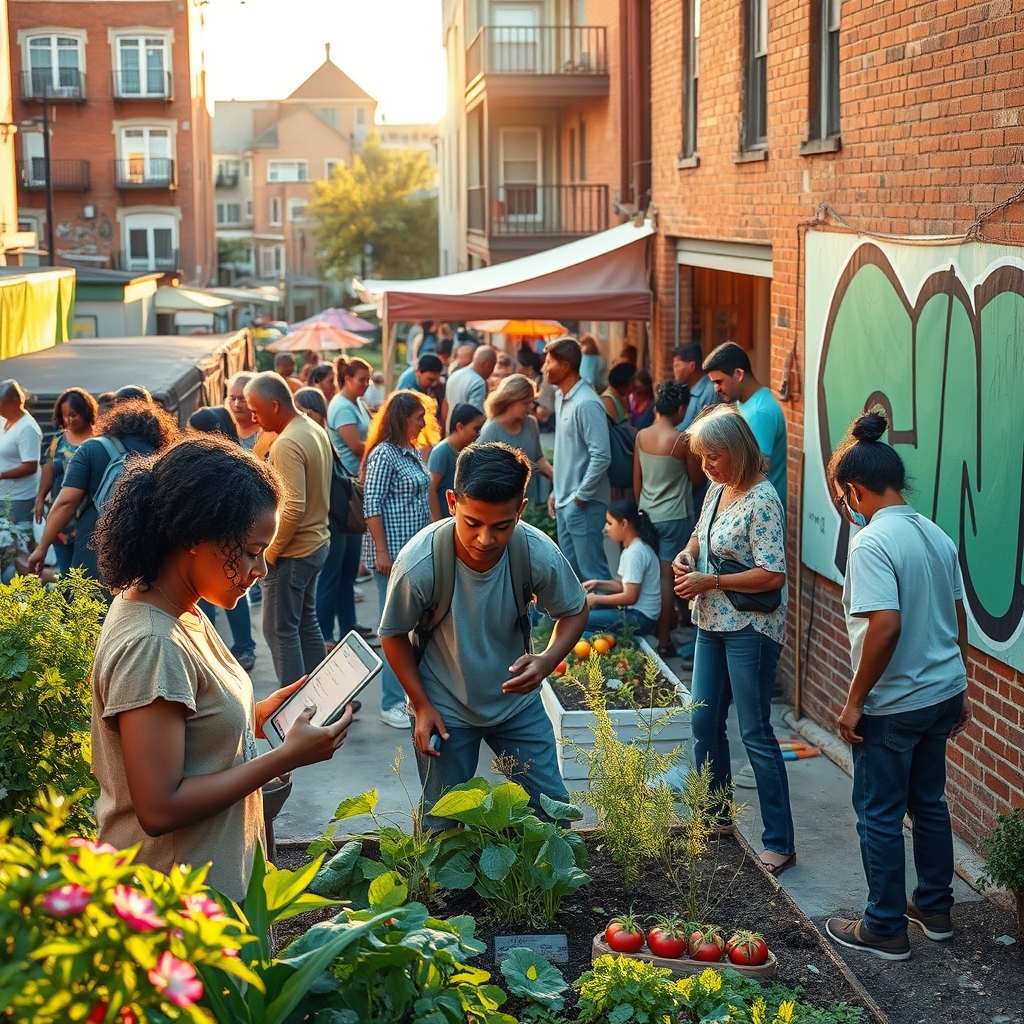
In a world where education is often confined to the four walls of a classroom, there exists a powerful, yet understated, approach to learning that transcends traditional boundaries. Community service learning is not just an act of giving back; it is a dynamic process of informal skill acquisition and holistic personal growth, where individuals immerse themselves in real-world challenges and emerge with a deeper understanding of both themselves and the world around them. This form of learning is not dictated by textbooks or rigid curricula but is instead shaped by the needs of the community and the passions of those who serve.
The Heart of Community Service Learning
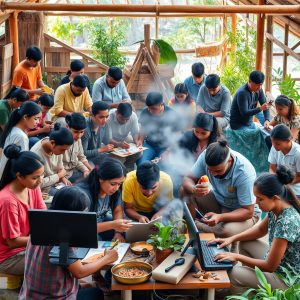
At its core, community service learning is about connection—connecting people to causes, skills to real-world applications, and individuals to one another. Unlike conventional education, which often prioritizes theoretical knowledge, this approach thrives on experiential knowledge building. Whether it’s teaching digital literacy to seniors in a local community center, organizing a neighborhood clean-up to foster environmental stewardship, or mentoring at-risk youth through a sports program, every act of service becomes a classroom without walls. The lessons learned here are not just about the task at hand but about empathy, adaptability, and the power of collective action.
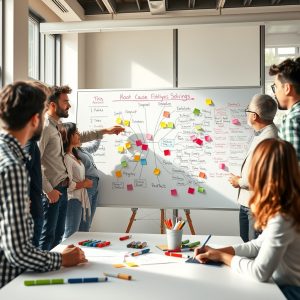
What makes community service learning particularly transformative is its ability to blend self-directed education pathways with structured opportunities for impact. Participants often enter these experiences with a specific goal in mind—perhaps to develop leadership skills, explore a new interest, or simply give back—but they leave with far more than they anticipated. The process of identifying a community need, designing a solution, and executing it alongside others fosters a sense of agency and purpose that is rarely replicated in traditional learning environments.
The Skills You Didn’t Know You Needed
One of the most remarkable aspects of community service learning is its capacity to cultivate skills that are often overlooked in formal education. While academic institutions may prioritize technical proficiency or standardized testing, service learning hones life skills mastery—qualities like emotional intelligence, resilience, and creative problem-solving. For instance, a volunteer organizing a food drive doesn’t just learn about logistics; they develop the ability to communicate across diverse groups, manage conflicts, and think on their feet when unexpected challenges arise. These are the skills that truly prepare individuals for the complexities of modern life.
Moreover, community service learning often intersects with digital literacy development, especially in today’s tech-driven world. Many service projects require volunteers to leverage digital tools for outreach, coordination, or advocacy. A group of students creating a social media campaign to raise awareness about homelessness, for example, must learn to navigate platforms, analyze engagement metrics, and craft compelling narratives—all while keeping their mission at the forefront. These are practical, transferable skills that enhance both personal and professional growth.
The Power of Shared Purpose
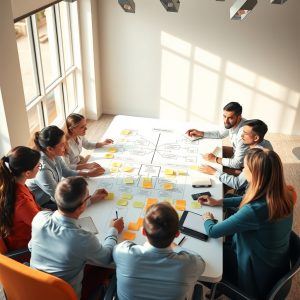
Another defining feature of community service learning is its emphasis on collaborative interest groups. Unlike solitary learning experiences, service projects bring together people from different backgrounds, ages, and skill sets, united by a common cause. This diversity of perspectives enriches the learning process, as participants are exposed to new ideas, cultural viewpoints, and problem-solving approaches. A retiree with decades of life experience might collaborate with a college student on a community garden project, each bringing unique insights that elevate the outcome. These interactions not only deepen the impact of the service but also foster a sense of belonging and shared humanity.
For many, these collaborative experiences become a gateway to personalized mentorship programs. A seasoned volunteer might take a newcomer under their wing, offering guidance and support as they navigate their first service project. This mentorship dynamic creates a ripple effect, where knowledge and passion are passed down from one generation of learners to the next. It’s a form of peer-to-peer knowledge sharing that is organic, authentic, and deeply empowering.
Beyond the Act of Service
The benefits of community service learning extend far beyond the immediate impact on the community. For the individuals involved, it is an opportunity for autonomous educational exploration, where they can test their limits, discover new passions, and redefine their sense of self. A shy teenager who joins a tutoring program might discover a love for teaching, while a corporate professional volunteering at a nonprofit could uncover a hidden talent for event planning. These experiences often serve as catalysts for personal reinvention, helping individuals align their actions with their values and aspirations.
Furthermore, community service learning fosters a deeper connection to cultural heritage engagement. Many service projects are rooted in preserving or celebrating local traditions, whether through oral history projects, cultural festivals, or heritage conservation efforts. By participating in these initiatives, volunteers not only contribute to the preservation of culture but also gain a richer understanding of their own identity and the communities they serve. This engagement with heritage can be a powerful tool for building empathy and bridging divides in an increasingly fragmented world.
The Ripple Effect in Action
Consider the story of a small town where a group of high school students decided to tackle the issue of food insecurity in their community. What began as a simple idea—organizing a weekly farmers’ market to distribute fresh produce to low-income families—quickly evolved into a multifaceted project. The students partnered with local farmers, learned about sustainable agriculture, and developed marketing skills to promote their initiative. Along the way, they collaborated with city officials, engaged with nutritionists, and even launched a cooking class to teach families how to prepare healthy meals. The project didn’t just address hunger; it created a network of support, education, and empowerment that continues to grow.
This is the ripple effect of community service learning in action. A single act of service can inspire others to get involved, spark new ideas, and create lasting change. It’s a testament to the power of real-world problem solving and the transformative potential of collective effort. The students in this story didn’t just learn about food insecurity; they became agents of change, equipped with the skills, confidence, and passion to make a difference in their world.
As we navigate an era of rapid change and uncertainty, the value of community service learning becomes increasingly clear. It is a reminder that education is not a solitary pursuit but a collaborative journey, where the lines between learner and teacher, giver and receiver, blur into a shared experience of growth. Whether through a weekend volunteer project or a long-term commitment to a cause, every act of service has the potential to create waves that extend far beyond the individual, shaping communities and lives in ways we may never fully see. The beauty of this approach lies in its simplicity: when we come together to serve, we don’t just change the world around us—we change ourselves in the process, one ripple at a time.