The Hidden Pathways: How Immersive Practical Training and Community Learning Forge Mastery
In the quiet corners of our communities, there are hidden pathways to mastery that often go unnoticed. These pathways are not the traditional ones paved by textbooks and lecture halls, but rather, they are the immersive, practical training experiences that we encounter in our daily lives. These experiences, when combined with community learning, can forge mastery in ways that traditional education often cannot.
Immersive Practical Training
Immersive practical training is about learning by doing. It’s about stepping out of the classroom and into the real world, where theory meets practice. This type of learning is not about sitting in a room and listening to a lecture. It’s about rolling up your sleeves, getting your hands dirty, and engaging with the world around you.
For example, consider the world of gardening. A traditional education might teach you about the different types of plants, their nutritional values, and how to care for them. But immersive practical training would involve getting your hands in the soil, planting seeds, watering plants, and watching them grow. It’s a hands-on experience that allows you to learn from your mistakes and celebrate your successes.
Community Learning
Community learning is about learning together. It’s about sharing knowledge, experiences, and resources with others who share similar interests. This type of learning is not about sitting alone in a room, but rather, it’s about being part of a larger community of learners.
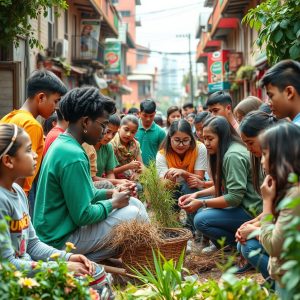
Consider a local community garden. In this space, people of all ages and backgrounds come together to learn about gardening, share their knowledge, and work together to create something beautiful. It’s a place where beginners can learn from experts, and where everyone can contribute their unique skills and perspectives.
Forge Mastery
When immersive practical training is combined with community learning, it can forge mastery in ways that traditional education often cannot. It’s about learning in a way that is meaningful, relevant, and engaging. It’s about learning that is not just about acquiring knowledge, but also about developing skills, building relationships, and creating a sense of belonging.
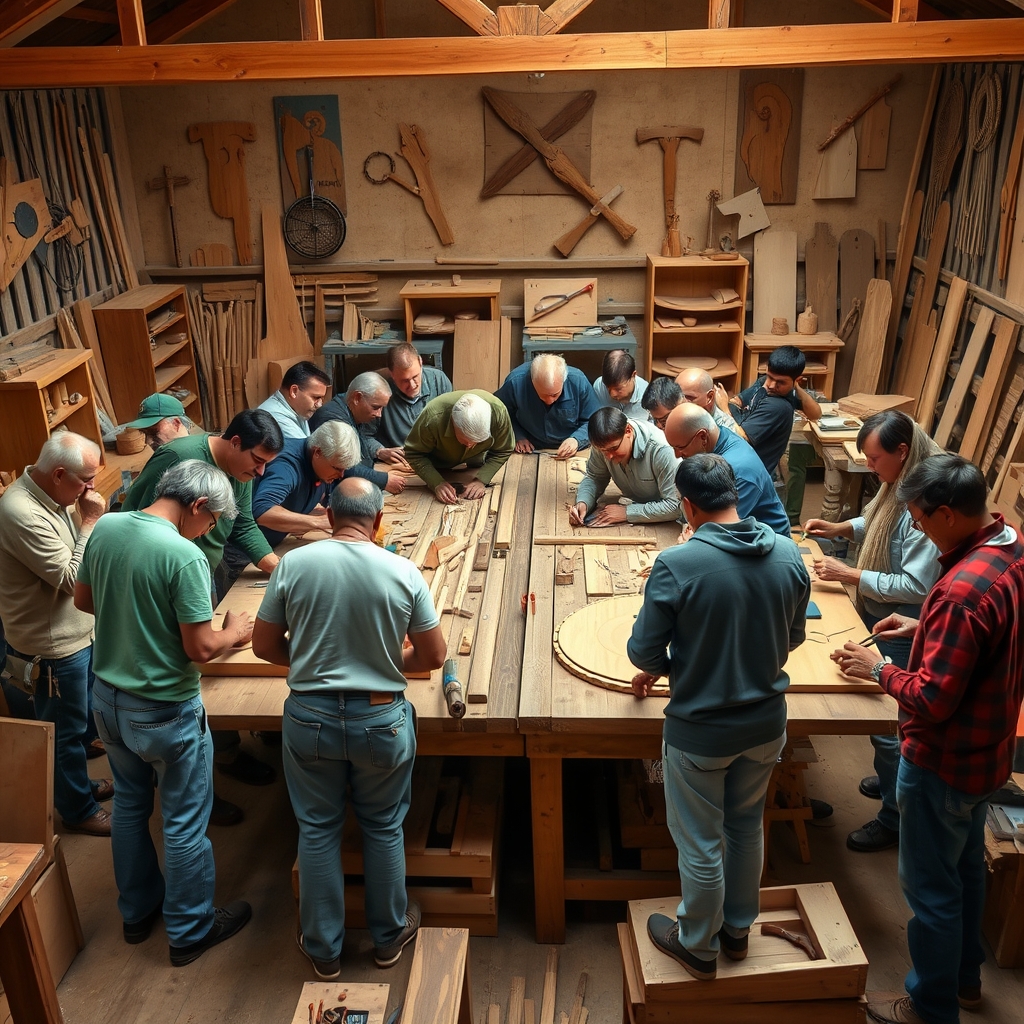
Consider the story of Sarah, a young woman who joined a local woodworking class. She had always been interested in woodworking, but she had never had the opportunity to learn. The class was a combination of immersive practical training and community learning. She learned by doing, working on projects with others, and sharing her own knowledge and experiences with the group.
Over time, Sarah’s skills improved, and she began to take on more complex projects. She also began to see the potential in others, and she started to mentor them in their own woodworking journeys. Her mastery was not just about her own skills, but also about her ability to inspire and guide others.
These hidden pathways to mastery are all around us. They are in our communities, in our daily lives, and in the people around us. They are not about following a traditional path, but rather, they are about creating our own unique journey. They are about learning by doing, learning together, and forging mastery in ways that are meaningful, relevant, and engaging.