The Unseen Pathways: How Immersive Practical Training and Community Learning Forge Mastery
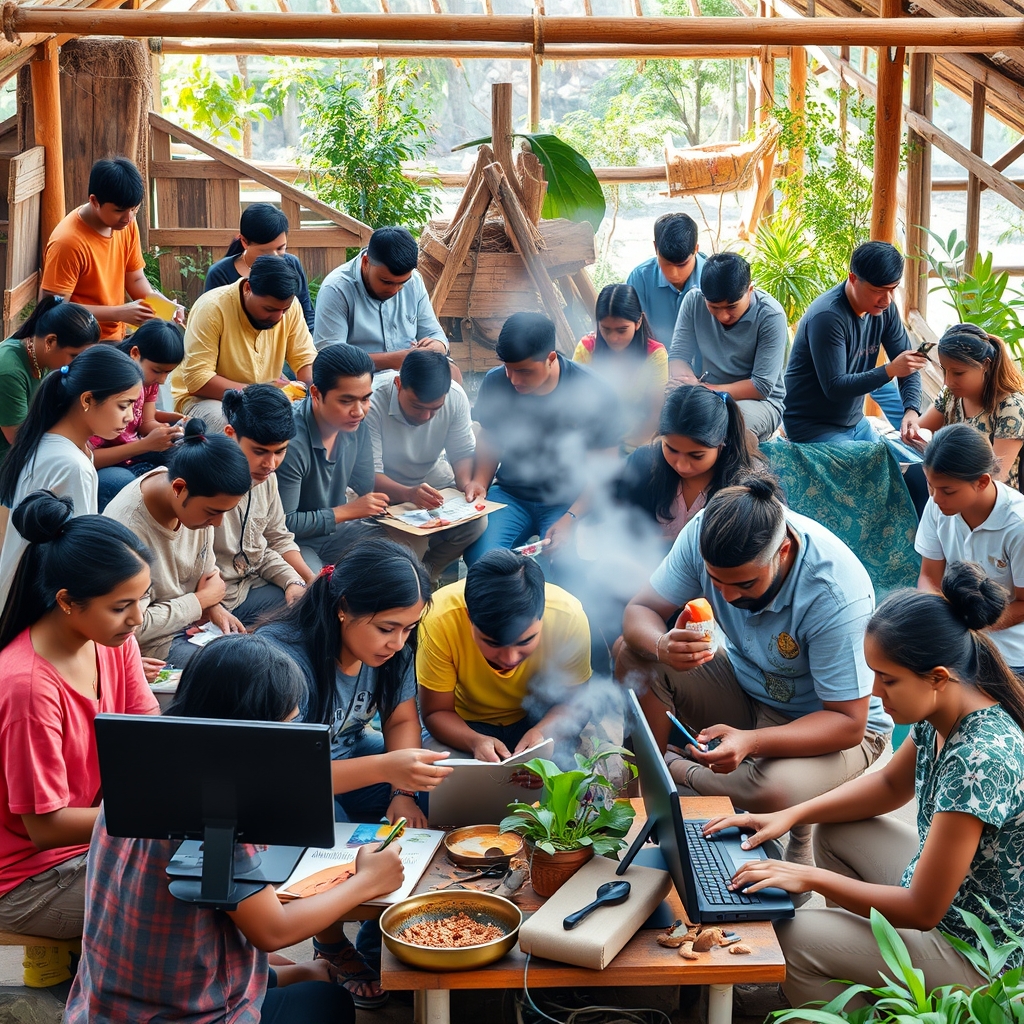
In a world where traditional education often feels like a one-size-fits-all approach, the concept of immersive practical training and community learning is gaining traction as a more effective and personalized pathway to mastery. This approach, often referred to as ‘informal skill acquisition,’ is reshaping the way we think about learning and development. It’s not about sitting in a classroom and absorbing information, but about engaging in real-world experiences, solving problems, and learning from peers and mentors in a community setting.
Immersive Practical Training: The Heart of the Matter
Immersive practical training is at the core of this approach. It’s about getting hands-on experience, learning by doing, and acquiring skills through real-world application. This could be anything from learning to code by building a website, to learning to cook by participating in a cooking class, or to learning to fix a car by working on one in a garage.
This type of training is not just about acquiring technical skills. It’s also about developing soft skills like problem-solving, critical thinking, and communication. These skills are invaluable in today’s rapidly changing world, where adaptability and creativity are key.
Community Learning: The Power of Peers and Mentors
Community learning is another crucial aspect of this approach. It’s about learning in a social context, where individuals can share their experiences, learn from each other, and build a support network. This could be through collaborative interest groups, peer-to-peer knowledge sharing, or personalized mentorship programs.
These communities can be formal or informal. They can be based around a specific interest or hobby, or they can be more general, focusing on personal growth and development. The key is that they provide a space for individuals to learn from each other and support one another.
Self-Directed Education Pathways: Taking Control of Your Learning
Self-directed education pathways are also a key part of this approach. It’s about taking control of your learning, setting your own goals, and creating your own path to mastery. This could be through exploratory learning journeys, autonomous educational exploration, or immersive practical training in the wild.
This type of learning is not about following a set curriculum or path. It’s about exploring your interests, trying new things, and learning from your experiences. It’s about being curious, being open to new ideas, and being willing to take risks.
Experiential Knowledge Building: Learning Through Experience
Experiential knowledge building is another important aspect of this approach. It’s about learning through direct experience, reflecting on that experience, and applying what you’ve learned to future situations. This could be through interactive workshop participation, community service learning, or life skills mastery.
This type of learning is not just about acquiring knowledge. It’s about developing skills, building confidence, and gaining a deeper understanding of the world. It’s about learning from your mistakes, learning from your successes, and learning from the experiences of others.
Digital Literacy Development: Navigating the Digital World
In today’s digital age, digital literacy development is an essential part of any learning journey. It’s about understanding how to navigate the digital world, how to use technology to enhance your learning, and how to use technology to connect with others.
This could be through learning how to code, learning how to use digital tools for learning and creativity, or learning how to use social media for networking and collaboration. It’s about developing the skills and knowledge you need to thrive in a digital world.
Real-World Problem Solving: Applying Knowledge to Real-Life Situations
Real-world problem solving is another key aspect of this approach. It’s about applying what you’ve learned to real-life situations, solving problems, and making a difference in the world. This could be through cultural heritage engagement, nature-based exploration, or community-based learning.
This type of learning is not just about acquiring knowledge. It’s about using that knowledge to make a positive impact, to solve problems, and to create a better future. It’s about being proactive, being innovative, and being willing to take action.
In a world where change is the only constant, the ability to learn, adapt, and grow is more important than ever. Immersive practical training and community learning provide a powerful pathway to mastery, offering a more effective and personalized approach to learning and development. By engaging in real-world experiences, learning from peers and mentors, taking control of your learning, and applying what you’ve learned to real-life situations, you can forge your own path to mastery and create a better future for yourself and the world around you.