The Hidden Pathways: How Immersive Practical Training and Community Learning Forge Mastery
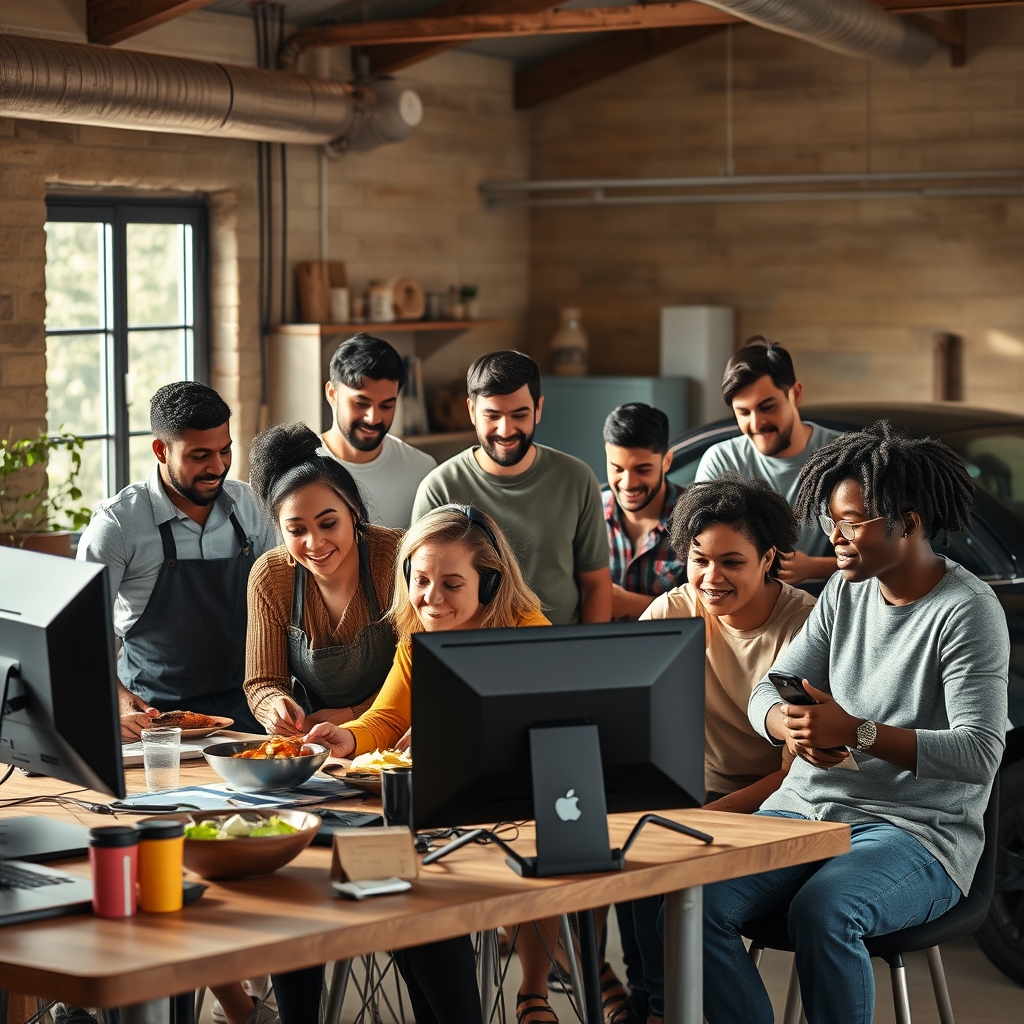
In a world where traditional education often feels like a one-size-fits-all approach, the concept of immersive practical training and community learning is emerging as a powerful alternative. This approach, often referred to as informal skill acquisition, is reshaping the way we learn and master new abilities. It’s not about sitting in a classroom, listening to a lecture, and taking a test. Instead, it’s about getting hands-on, engaging with the community, and learning by doing.
Immersive Practical Training: Learning by Doing
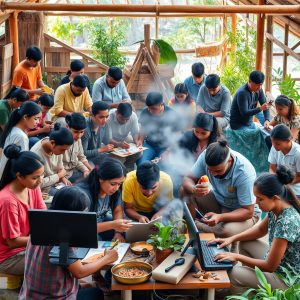
Immersive practical training is all about experiential knowledge building. It’s about stepping out of the classroom and into the real world, where you can apply what you’ve learned in a practical setting. This could be anything from learning to code by building a website, to learning to cook by running a restaurant, or learning to fix cars by working on them.
This approach has several advantages. First, it helps you understand the theory behind a concept by seeing it in action. Second, it allows you to learn at your own pace, focusing on what you’re interested in and what you need to know. Third, it fosters a sense of autonomy and self-directedness, as you’re the one driving your own learning journey.
Community Learning: The Power of Peers
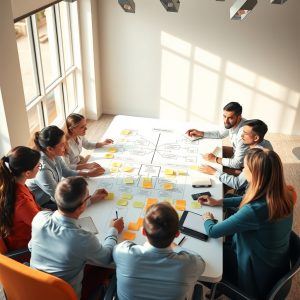
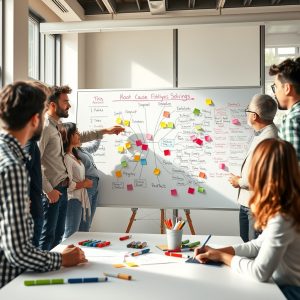
Community learning, on the other hand, is about collaborative interest groups and peer-to-peer knowledge sharing. It’s about learning from and with others who share your interests and goals. This could be a group of hobbyists who meet regularly to learn and practice a new skill, or a community service learning project where you work with others to address a real-world problem.
This approach has its own set of advantages. First, it provides a support system, with peers who can offer encouragement, advice, and even accountability. Second, it allows you to learn from the experiences and perspectives of others, enriching your own learning journey. Third, it fosters a sense of belonging and connection, which can be just as important as the skills you’re learning.
Combining Both Approaches: The Best of Both Worlds
When you combine immersive practical training with community learning, you get the best of both worlds. You get the hands-on, real-world experience of immersive practical training, and the support, collaboration, and shared learning of community learning.
This combination is not just about learning new skills. It’s about holistic personal growth. It’s about developing a growth mindset, resilience, and adaptability. It’s about learning to learn, and about becoming a lifelong learner.
Imagine a world where everyone has the opportunity to learn and grow in this way. Where learning is not just about what’s taught in a textbook, but about what’s learned through experience, collaboration, and exploration. Where everyone has the chance to develop their unique talents and passions, and to make a positive impact on the world around them.